
Biotechnology's Role in Food Tinting: The Future of Biotech Food Coloring
- 2 days ago
- 3 min read
You’ve probably noticed how much food color matters. It’s not just about looking good. Color influences taste perception, freshness, and even your buying decision. But here’s the kicker - traditional synthetic dyes? They come with baggage. Health concerns, environmental issues, and a growing demand for natural, clean-label ingredients have pushed the food industry to rethink colorants. Enter biotechnology. This isn’t your grandma’s food coloring. This is biotech food coloring - a game changer.
Why Biotech Food Coloring Is a Game Changer
Let’s get real. Natural colorants from plants and minerals have been around forever. But they’re unstable, expensive, and sometimes just don’t cut it in terms of vibrancy or shelf life. Biotechnology flips the script. It uses living organisms or their components to produce colorants that are:
Stable under heat, light, and pH changes
Consistent in quality and supply
Sustainable, reducing reliance on scarce natural resources
Customizable to meet specific food industry needs
Imagine algae, yeast, or bacteria engineered to pump out vibrant pigments. These pigments can be extracted and used as natural food colorants that outperform traditional options. This is where companies like tint biotech come in, pioneering the use of algae-derived pigments that are not only natural but also high-performance.
The Science Behind Biotech Food Tinting
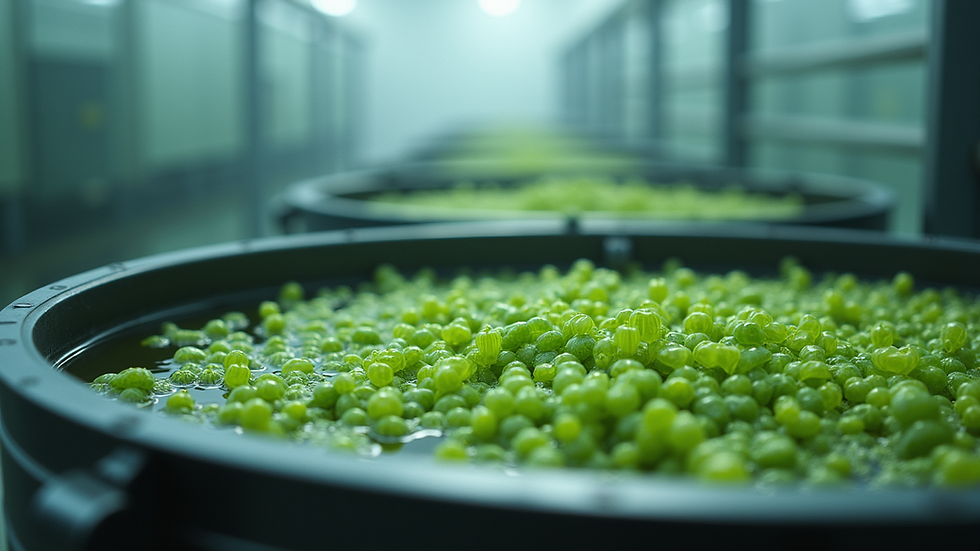
How does it work? It’s fascinating. Microorganisms like algae are bio-factories. They naturally produce pigments such as carotenoids, phycobiliproteins, and chlorophylls. Scientists use genetic engineering and fermentation technology to boost pigment production, improve extraction methods, and enhance pigment stability.
Here’s a quick breakdown:
Selection of Microorganisms: Choose strains with high pigment yield.
Genetic Optimization: Modify genes to increase pigment synthesis pathways.
Fermentation: Grow these organisms in controlled bioreactors.
Extraction and Purification: Isolate pigments with minimal chemical use.
Formulation: Convert pigments into food-grade colorants ready for use.
This process is scalable and eco-friendly. Plus, it opens doors to pigments that were previously hard to source or too unstable for commercial use.
Practical Applications in Food Manufacturing
You might wonder, “Where can I use these biotech colorants?” The answer: almost everywhere. From beverages to baked goods, dairy to confectionery, biotech pigments fit right in. Here’s why:
Beverages: Stable color in acidic and light-exposed drinks.
Dairy: Natural hues without affecting taste or texture.
Bakery: Heat-stable pigments that survive baking temperatures.
Confectionery: Vibrant, clean-label colors that appeal to health-conscious consumers.
For example, phycocyanin from blue-green algae offers a brilliant blue that’s rare in nature and highly sought after. Carotenoids provide reds, oranges, and yellows with antioxidant benefits. These pigments don’t just color food; they add value.
Challenges and How to Overcome Them
No tech is perfect. Biotech food tinting faces hurdles:
Cost: Biotech pigments can be pricier than synthetic dyes.
Regulatory Approval: Navigating food safety laws worldwide is complex.
Consumer Perception: Some still mistrust “biotech” or genetically modified sources.
But here’s the good news. Costs are dropping as technology matures and scales up. Regulatory bodies are increasingly recognizing the safety and benefits of biotech pigments. And transparency combined with education can shift consumer attitudes.
If you’re a food manufacturer or algae biomass producer, partnering with biotech innovators can help you stay ahead. You can leverage your biomass more effectively or integrate stable, natural colorants that meet clean-label demands.

What’s Next for Biotech Food Coloring?
The future is bright and colorful. Advances in synthetic biology, fermentation technology, and pigment extraction will push biotech food tinting to new heights. Expect:
More pigment varieties with tailored properties.
Improved cost-efficiency through process optimization.
Greater sustainability by using waste biomass or renewable feedstocks.
Integration with functional ingredients for health benefits beyond color.
The industry is on the brink of a revolution. If you want to meet consumer demand for clean-label, natural, and stable food colors, biotech is your best bet. It’s not just about tinting food; it’s about transforming the entire food color landscape.
Ready to explore how biotech food coloring can elevate your products? Dive into the world of tint biotech and discover how algae-derived pigments can help you innovate sustainably and effectively. The future of food tinting is here. Are you in?


Comments