
Leading Algae Colorant Manufacturers: The Future of Natural Food Coloring
- 6 days ago
- 3 min read
You want vibrant, stable, and natural colors in your food products. But synthetic dyes? They’re losing favor fast. Consumers demand clean labels. And guess what? Algae colorants are stepping up to the plate. They’re natural, sustainable, and packed with potential. But who’s leading the charge? Who’s making these algae colorants that can transform your food products? Let’s dive in.
Why Algae Colorant Manufacturers Matter More Than Ever
You might wonder, why algae? Why now? The food industry is shifting. Synthetic colors are under scrutiny. Health-conscious consumers want transparency. They want ingredients they can pronounce. Algae colorants fit the bill perfectly.
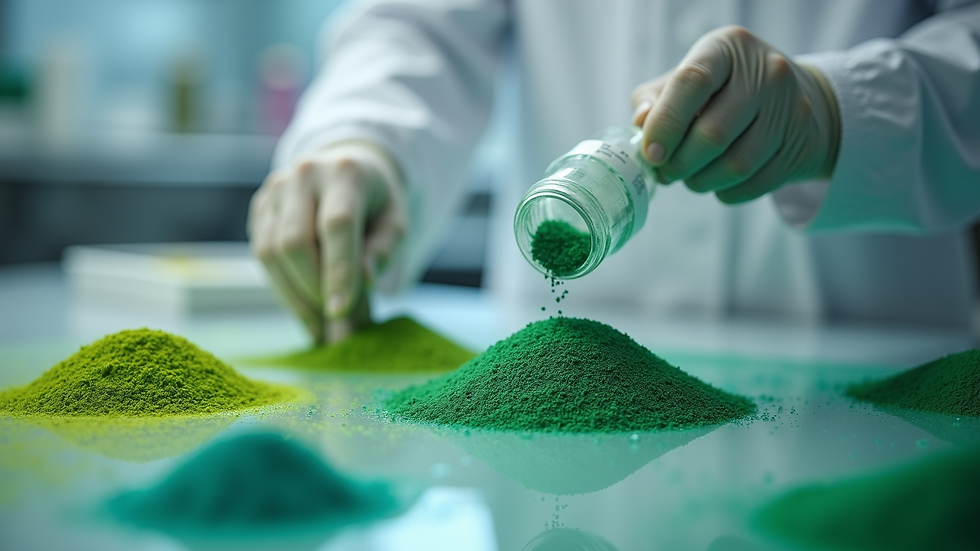
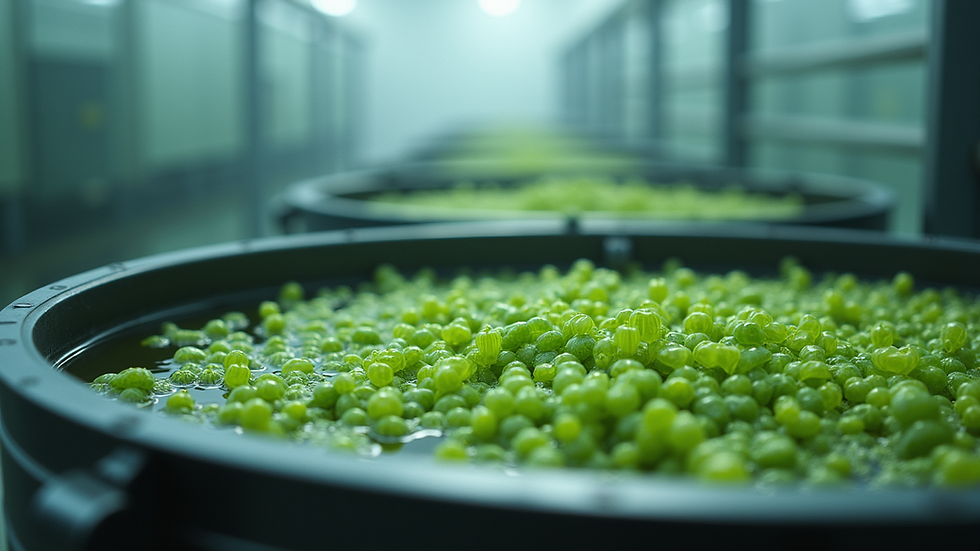
Algae are tiny powerhouses. They grow fast, need minimal resources, and produce vibrant pigments like phycocyanin (blue), astaxanthin (red), and chlorophyll (green). These pigments are stable, safe, and versatile. Plus, algae cultivation can be eco-friendly, reducing the carbon footprint of your colorants.
But not all algae colorants are created equal. You need manufacturers who understand the science, the market, and the challenges. You want partners who can deliver consistent quality, scalability, and innovation.
Who Are the Top Algae Colorant Manufacturers?
Let’s get real. The market is growing, but it’s still niche. Only a handful of companies have cracked the code to produce high-performance algae colorants at scale. These manufacturers combine biotechnology, sustainable farming, and food science to bring you the best.
One standout player is Tint Biotech. They’re on a mission to revolutionize the food industry by providing stable, natural colorants derived from algae. Their approach? Using advanced bioprocessing to extract pigments that maintain color integrity even under harsh food processing conditions.
What sets them apart? Their focus on stability and performance. You don’t want your blue turning green or your red fading away. Tint Biotech’s colorants hold up in baking, freezing, and acidic environments. That’s a game-changer.
Other manufacturers focus on specific pigments or algae strains. Some specialize in spirulina-based blue pigments, while others harness microalgae for reds and greens. The key is finding a manufacturer who aligns with your product needs and sustainability goals.

What Makes a Great Algae Colorant Manufacturer?
You’re not just buying color. You’re investing in reliability, innovation, and partnership. Here’s what to look for:
Consistency: Color must be uniform batch after batch. No surprises.
Scalability: Can they meet your volume demands as you grow?
Stability: Will the color hold up during processing and shelf life?
Sustainability: Are they using eco-friendly cultivation and extraction methods?
Regulatory Compliance: Are their products approved for your target markets?
Customization: Can they tailor pigments to your specific needs?
A great manufacturer will work closely with you. They’ll understand your product matrix, processing conditions, and consumer expectations. They’ll provide technical support and transparency.
How to Integrate Algae Colorants Into Your Products
Switching to algae colorants isn’t just a plug-and-play. You need to consider formulation, processing, and sensory impact.
Start Small: Test the colorant in pilot batches. Observe color stability, taste, and texture.
Adjust Formulation: Algae pigments can interact differently with ingredients. You might need to tweak pH or fat content.
Process Compatibility: Check how the colorant behaves under heat, light, and storage.
Labeling: Highlight the natural, clean-label aspect. Consumers love that.
Supplier Collaboration: Work with your algae colorant manufacturer for technical guidance.
Remember, algae colorants can add more than color. Some have antioxidant properties, enhancing your product’s health appeal.
The Road Ahead: Why You Should Care About Algae Colorants Now
The food industry is evolving fast. Clean labels, sustainability, and health are non-negotiable. Algae colorants offer a solution that ticks all these boxes. They’re not just a trend; they’re the future.
By partnering with leading algae colorant manufacturers, you position your products at the forefront of innovation. You meet consumer demands head-on. You reduce reliance on synthetic dyes. You support sustainable agriculture.
So, what’s stopping you? The technology is here. The science is solid. The market is ready. Dive into the world of algae colorants and watch your products come alive with natural, vibrant hues.
If you want to explore reliable options, check out algae food coloring manufacturers who are pioneering this space. They’re ready to help you make the switch.
Making the Switch: Practical Tips for Food Manufacturers
Ready to take the plunge? Here’s how to get started:
Research: Understand the types of algae pigments available and their properties.
Sample: Request samples from manufacturers to test in your products.
Evaluate: Assess color stability, taste impact, and cost-effectiveness.
Plan: Develop a roadmap for scaling up algae colorant use.
Educate: Train your team on handling and incorporating these new ingredients.
Communicate: Update your marketing to highlight the natural colorant benefits.
Remember, switching to algae colorants is a journey. It requires patience, testing, and collaboration. But the payoff? Cleaner labels, happier consumers, and a greener planet.
Embrace the algae revolution. Your products deserve it.


Comments